FAQs

Timber construction comes with plenty of questions — and we’ve answered the ones people ask most. This FAQ hub is designed to give clear, honest and technically accurate guidance across modular builds, sustainable homes, extensions, offsite fabrication, commercial projects and turnkey delivery. Whether you’re planning a new home, upgrading your existing property, or exploring timber for a commercial development, these answers reflect real UK building regulations, modern timber performance and Eco Space’s expertise across the UK and Channel Islands.

Are timber frame homes durable in the UK climate?

Timber frame homes are extremely durable when built to modern standards. They’re engineered to handle moisture, wind and temperature changes typical of the UK climate. All Ecospace frames use treated structural timber, breathable membranes and robust insulation layers to prevent damp, rot and movement. When maintained like any standard home, a timber frame property can last well over 60–100 years.

Are timber frame houses cheaper to build?

They’re usually more cost-efficient due to faster build times, reduced labour hours and fewer weather delays. Offsite manufacturing also reduces waste and avoids expensive remedial work. While materials may cost the same or slightly more, the total project cost often comes in lower than traditional masonry.

Do timber homes meet UK & Channel Island building regulations?

Yes. Timber construction fully complies with UK, Jersey & Guernsey Building Regulations, including structural performance, fire resistance, energy efficiency and acoustic standards. Ecospace designs every project with certified engineering, regulated materials and compliance documentation.

How energy efficient is a timber frame home?

Timber frame homes typically outperform masonry builds. The structure allows for thicker insulation, tight airtightness, fewer cold bridges and more predictable thermal performance. Many clients reach SAP ratings far above traditional homes, and the method is ideal for Passivhaus.

Can a timber extension match the look of my existing house?

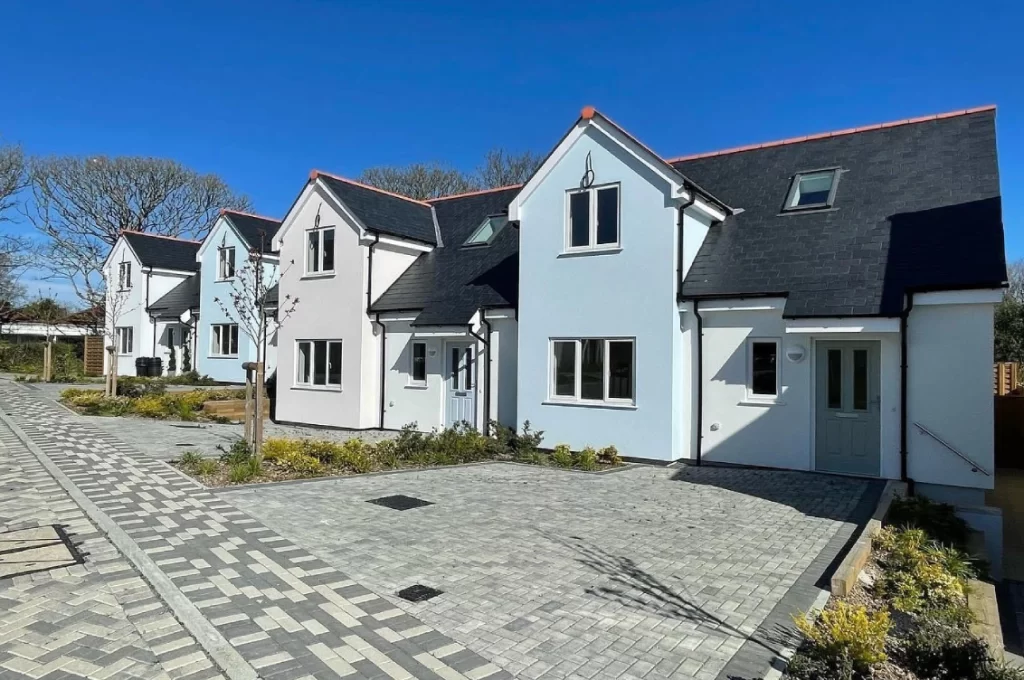
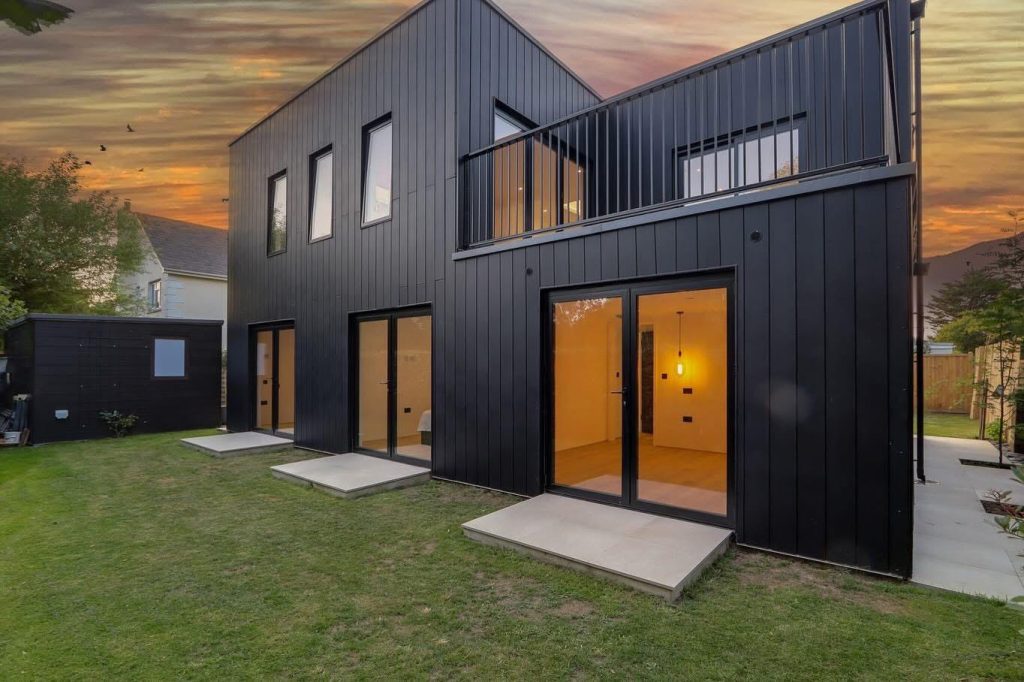
Yes. Timber frames give complete flexibility in cladding and finish, including render, brick slips, timber cladding or composites. We regularly produce extensions that match period homes, new builds and coastal properties in both the South West and Channel Islands.

How long does a modular timber build take?

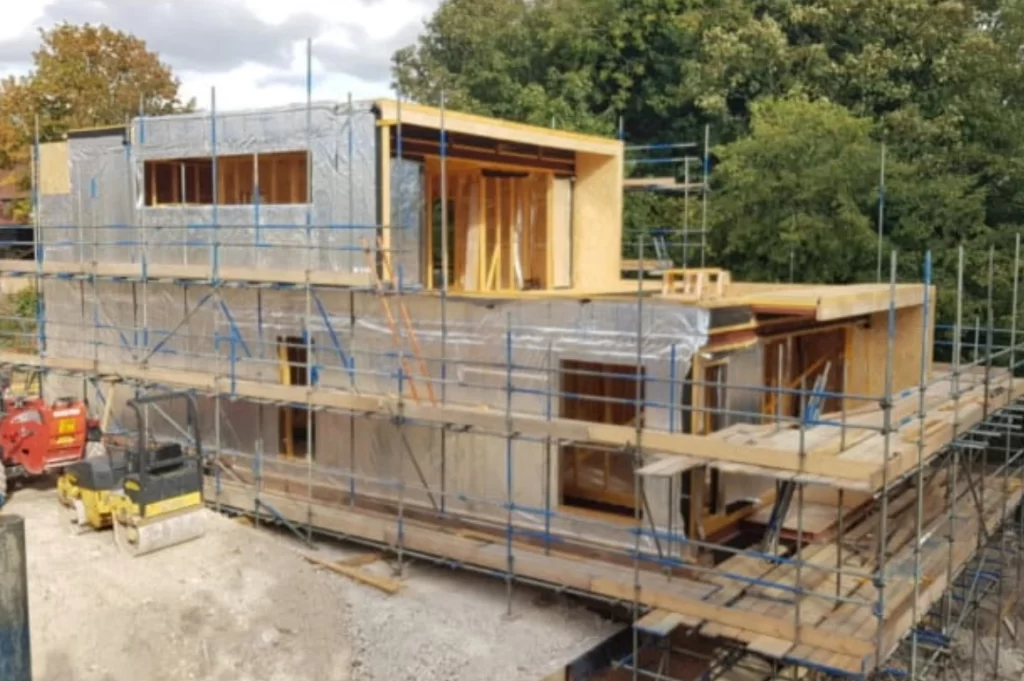
The offsite phase usually takes 3–10 weeks depending on scale, and on-site assembly often takes just a few days. Compared to traditional building, modular timber construction cuts the timeline significantly and avoids seasonal weather delays.

Is modular construction strong enough for permanent housing?

Absolutely. Modular timber homes are structurally engineered to the same, and often higher, standards as traditional buildings. They are designed to last, fully mortgageable and compliant with UK codes. Premium offsite fabrication also ensures consistent quality.

What is offsite timber fabrication?

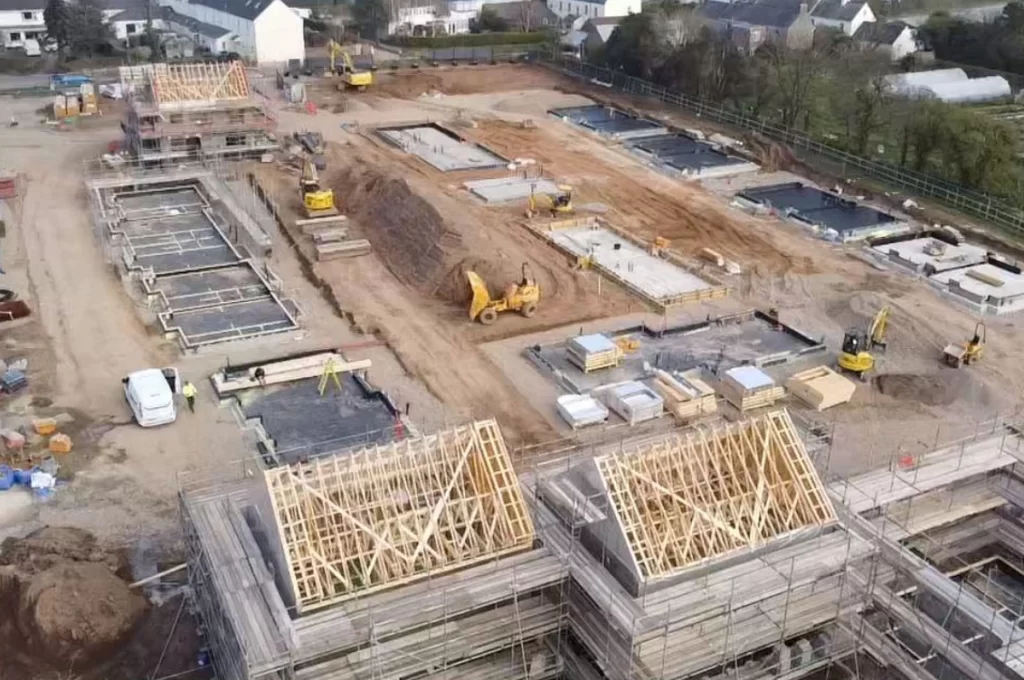
Offsite fabrication means the building structure is manufactured in a workshop rather than built entirely on site. This improves accuracy, reduces waste, speeds up construction and ensures a controlled environment for the timber. Ecospace fabricates walls, floors, roofs and full modules offsite.

Do you supply timber frames to other builders or self-builders?

Yes. Eco Space can fabricate and supply panels, closed panels or full modular units for third-party contractors and self-builders across the South West and Channel Islands. We provide full drawings, fixings schedules and installation guidance.

Can timber construction achieve good acoustic performance?

Yes. Acoustic performance depends on build-up, not the material alone. Layered insulation, membranes, service voids and correct detailing allow timber structures to achieve — and exceed — UK acoustic requirements for domestic and commercial spaces.

How fire-safe is a timber frame building?

Timber frame buildings are engineered to meet strict fire-resistance requirements. Fire safety comes from the layered build-up: plasterboard, insulation, membranes and detailing create the fire performance, not just the wood itself. Timber chars predictably, helping maintain structural integrity during a fire.

Is timber frame suitable for commercial buildings?

Very. Schools, offices, care homes and multi-unit residential blocks increasingly use timber due to its speed, sustainability and thermal performance. Ecospace provides commercial-grade specifications that meet fire, acoustic, loading and compliance standards.

Do timber homes hold their value?

Yes. Modern timber homes hold value just like masonry homes, and often appeal to buyers seeking energy efficient, low-carbon properties. RICS and major mortgage lenders recognise timber frame as a long-term, mainstream building method.

Can Eco Space help with planning permission?

Yes. We can support with drawings, structural reports, energy data and specification documents that strengthen planning applications. For Channel Islands clients, we also understand local planning pathways and requirements.

What are the sustainability benefits of timber construction?

Timber is renewable, low-carbon and stores carbon throughout its lifetime. It also requires less energy to produce than steel or concrete. Ecospace uses responsibly sourced timber, high-efficiency insulation and offsite processes that reduce waste.

Is a turnkey timber build more expensive than managing trades myself?

Not usually. A turnkey approach reduces delays, removes miscommunication between trades and keeps the programme tight. Clients often save money because the build runs smoother and faster with one accountable team.

What warranties do you provide?

Eco Space offers structural warranties, manufacturing guarantees and supplier-backed product warranties. Commercial projects can include additional certification depending on requirements.

Can you build on tight or difficult-access sites?

Yes. Offsite fabrication and timber’s lightweight nature make it ideal for restricted sites, coastal locations and island builds where logistics are a challenge. Most structural elements can be craned in quickly with minimal disruption.

How long does a timber frame extension take to install?

The installation phase typically takes between 1–5 days depending on size. Because the structure is built offsite, your home avoids months of noisy, messy construction.

Do timber buildings require more maintenance?

No. Timber frames themselves require minimal maintenance. External finishes (render, cladding, paint) dictate maintenance frequency, just as they do on masonry homes.

View our projects

Get in touch with us today

3 Oaks Farm, La Gd Rte de Saint-Laurent, Jersey JE3 1NG.

Phone: (+44) 01534 482066

Follow us on:

Name